Important Disclosures
Educational and Informational Purposes
FlowDM provides software tools, market information, analytical indicators, and educational resources intended to help self-directed traders and investors evaluate market conditions and manage investment exposure.
All information presented through the FlowDM website, educational courses, trading platform, and associated materials is provided for general informational and educational purposes only. Nothing presented constitutes individualized investment advice, a recommendation to purchase, sell, or hold any security, or a representation that a particular strategy is appropriate for any individual.
Investors are responsible for evaluating their own financial circumstances, investment objectives, risk tolerance, and experience before making investment decisions. Strategies discussed may not be suitable for every investor.
Investment Risk and Performance
All investing involves risk, including the potential loss of principal. Securities prices may fluctuate significantly, and investors may experience losses regardless of the quality of the underlying company or investment.
Past performance, historical market behavior, and hypothetical results do not guarantee future performance. No investment or hedging strategy can eliminate market risk or guarantee a profit.
Hedging and Position Management
FlowDM provides tools that allow users to establish and manage hedging thresholds for their positions. Its hedging methodology seeks to reduce directional market exposure through calibrated opposing positions, including inverse exchange-traded funds.
The objective of near-neutral exposure is a target, not a guarantee. Actual hedge effectiveness may differ because of market gaps, execution prices, bid-ask spreads, liquidity, tracking differences, timing, position sizing, and other market conditions.
Hedging may reduce losses during adverse price movements but may also reduce participation in subsequent market advances. A hedge may not fully offset losses in the underlying investment and may itself generate losses or additional costs.
Leveraged and Inverse Exchange-Traded Funds
FlowDM's hedging methodology may involve leveraged or inverse exchange-traded funds (ETFs). These products carry additional risks and may not be appropriate for all investors.
Many leveraged and inverse ETFs seek to achieve a stated multiple or inverse of an index's or security's daily performance. Their exposure generally resets daily, and returns over periods longer than one trading day can differ substantially from the stated daily objective, particularly during volatile or oscillating markets.
Compounding, tracking differences, financing expenses, fees, liquidity conditions, and market volatility may affect results. Investors should review the applicable ETF prospectus and understand the product's objectives and risks before trading.
Self-Directed Trading
FlowDM is designed for self-directed traders and investors. Users independently select their investments, determine position sizes, establish or modify hedge thresholds, and decide when to release hedges.
FlowDM may execute user-configured hedge actions automatically when specified conditions are met. Such automation operates according to the user's instructions and does not constitute discretionary portfolio management or individualized investment advice.
Users remain responsible for their trading decisions, account activity, and associated risks.
Market Indicators and Analytical Tools
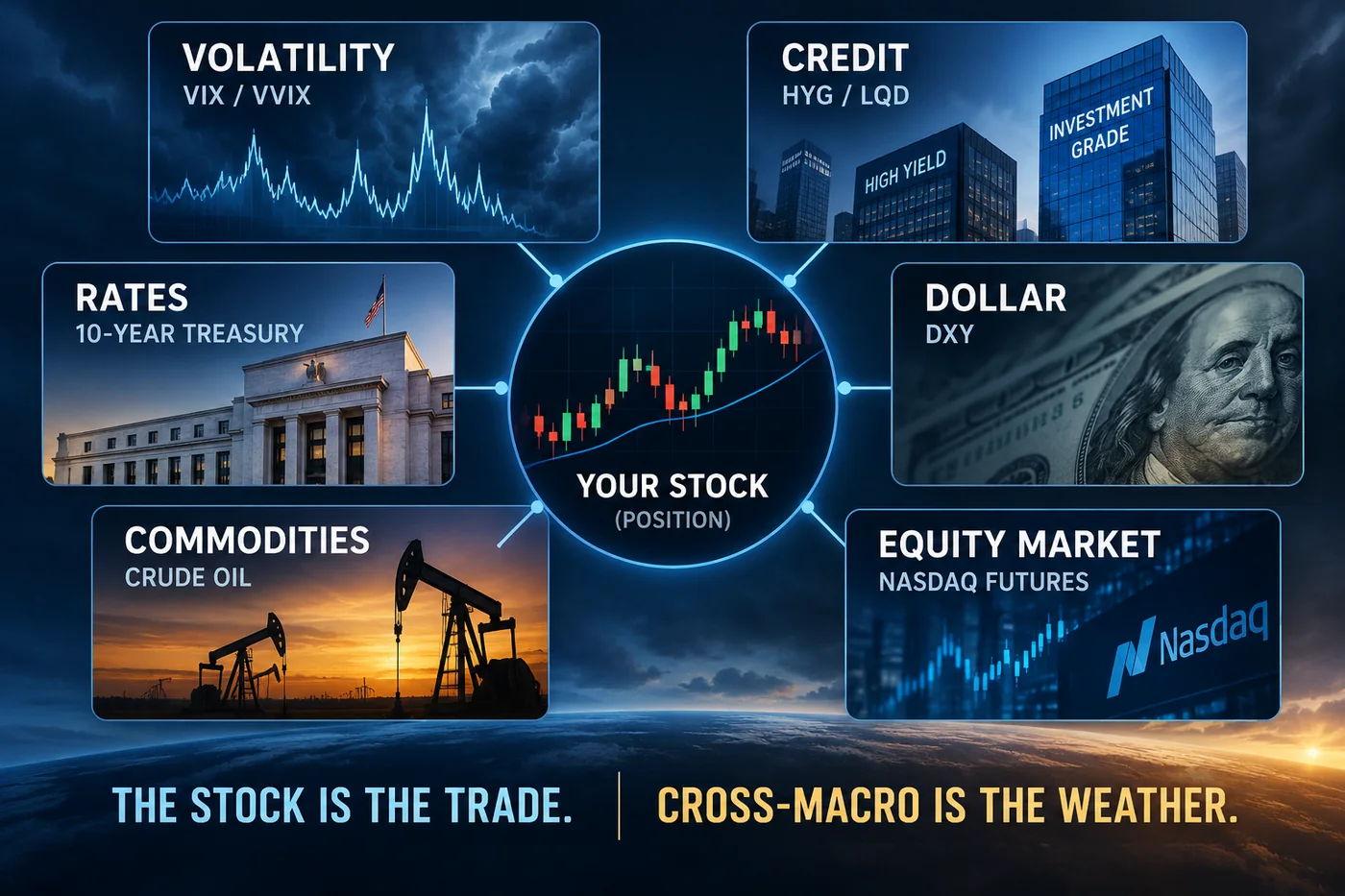
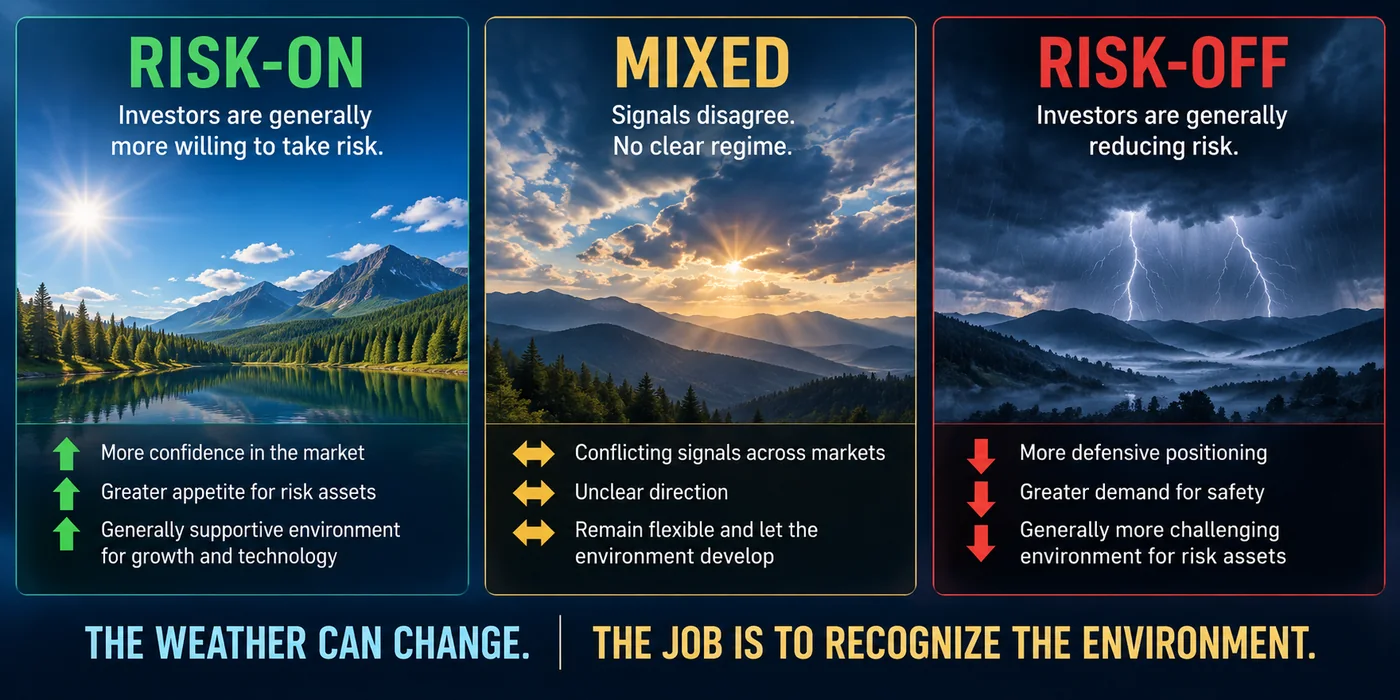
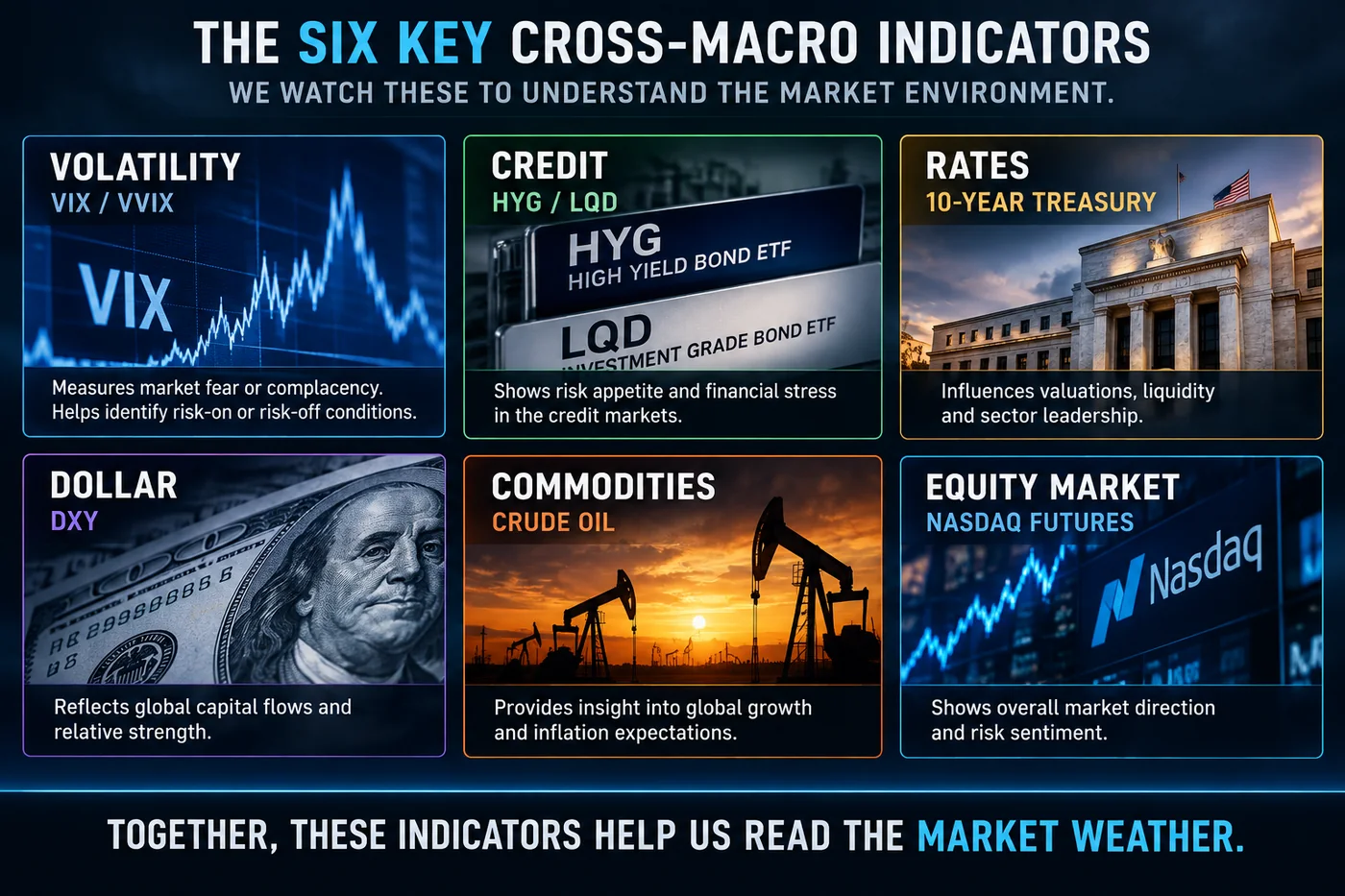
FlowDM provides analytical information through tools including Gamma Exposure (GEX), the Dislocated High Quality (DHQ) board, the Resting Book, and the Cross-Macro Board.
These indicators reflect market data, calculations, estimates, or observed conditions. They are not predictions of future prices, guarantees of market direction, or assurances that a particular support or resistance level will hold.
No single technical indicator, market signal, or analytical tool should be relied upon as the sole basis for an investment decision. Market conditions can change rapidly, and information may become outdated.
AI Desk Analyst
FlowDM may allow users to submit market information to an external artificial intelligence model selected by the user for analytical interpretation.
AI-generated Desk Reads and related commentary are informational analyses, not personalized investment recommendations. AI systems can produce inaccurate, incomplete, outdated, or misleading conclusions.
Users should independently evaluate AI-generated information before making trading decisions. FlowDM does not guarantee the accuracy or reliability of third-party AI-generated content.
Hypothetical Examples and Illustrations
Unless expressly identified otherwise, charts, trade scenarios, performance comparisons, and educational illustrations are hypothetical, simplified, or provided solely to explain a concept.
Illustrative hedging examples may assume idealized execution or near-neutral offsets that may not occur in actual trading. Actual results depend on market conditions, product characteristics, execution, and other factors.
Unless otherwise stated, examples exclude commissions, transaction costs, spreads, financing expenses, taxes, and other potential charges.
Hypothetical results should not be interpreted as actual trading performance or as evidence that similar outcomes are achievable.
Market Data and Third-Party Information
Market prices, news, indicators, and other information displayed by FlowDM may originate from third-party data providers.
Such information may be delayed, incomplete, inaccurate, or subject to revision. Availability and update frequency may vary by source, market conditions, and service configuration.
FlowDM does not guarantee uninterrupted access to market data or the accuracy, completeness, or timeliness of third-party information.
Securities and Company References
References to individual companies, securities, ETFs, market indexes, or historical prices are provided for illustration, education, or explanation of FlowDM functionality.
Their inclusion does not constitute an endorsement or recommendation to buy, sell, or hold any investment.
Third-Party Trademarks
Company names, product names, ETF names, index names, symbols, and trademarks referenced in FlowDM materials remain the property of their respective owners.
References to third-party products or indexes do not imply sponsorship, affiliation, approval, or endorsement of FlowDM by their respective owners.
Important Reminder
FlowDM is a software platform designed to support informed, self-directed position management. It does not eliminate investment risk, guarantee hedge effectiveness, or assure favorable trading results.
Users should understand the instruments and strategies they employ and consider consulting appropriately qualified financial, tax, or legal professionals regarding their individual circumstances.